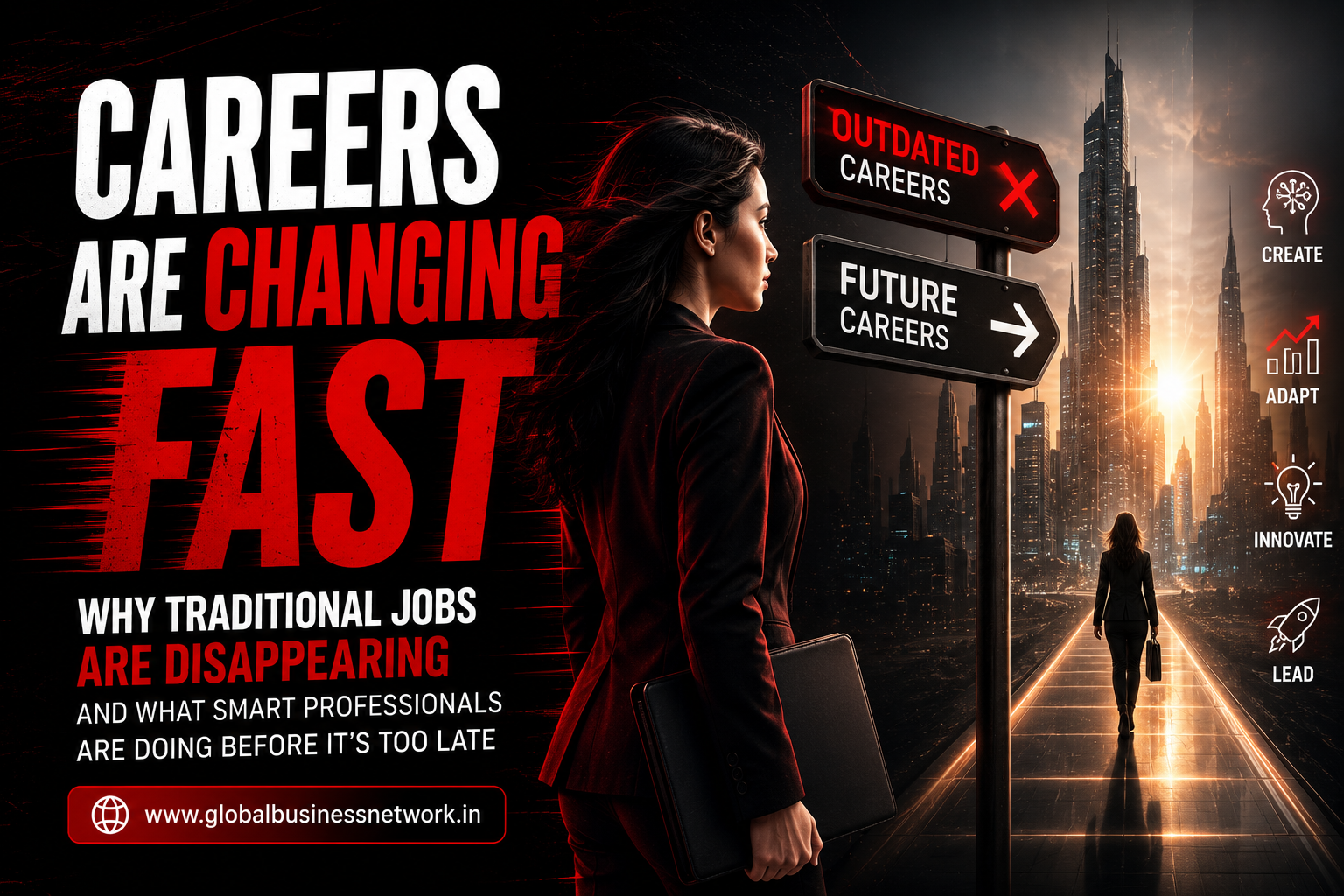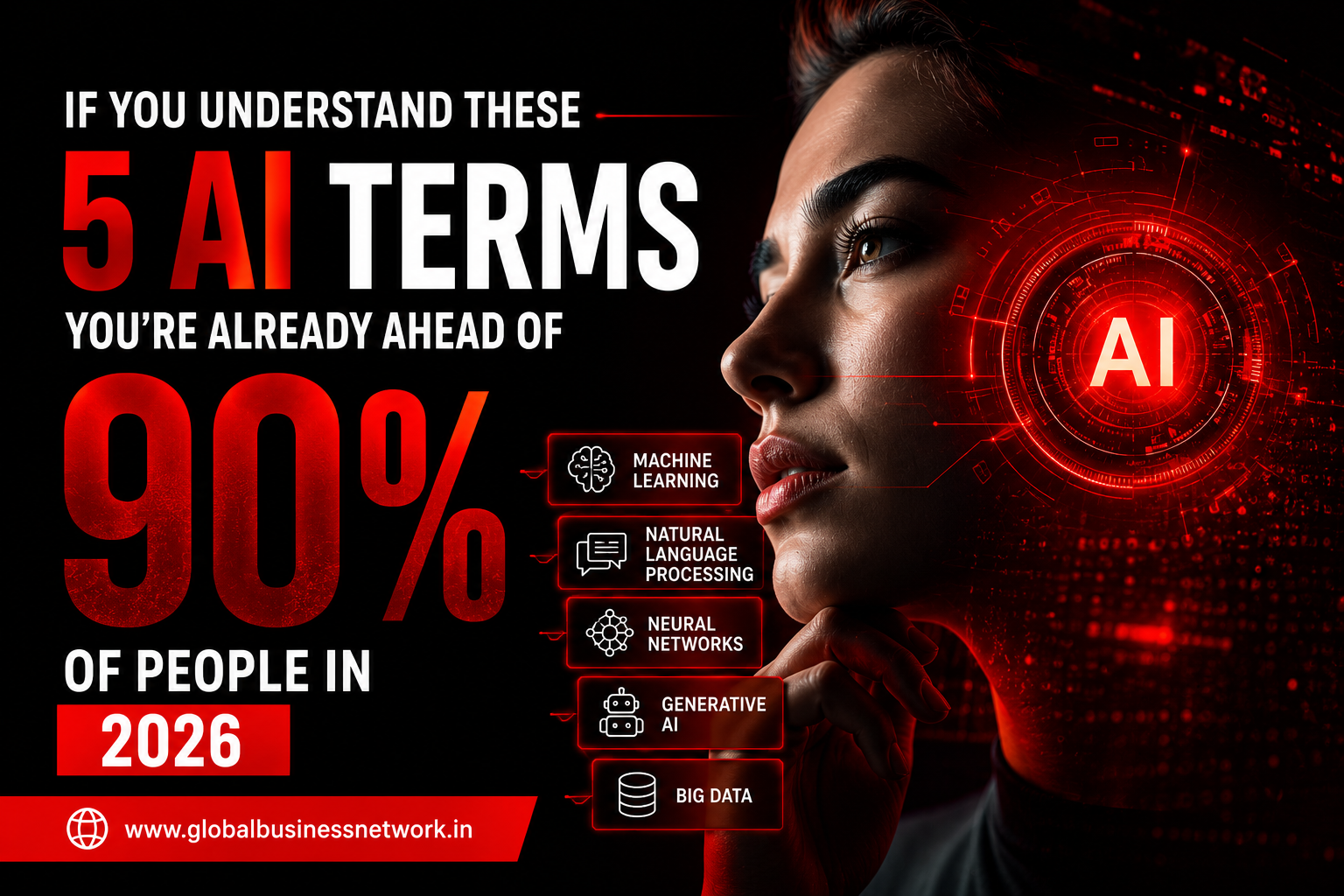


how to survive job market changes in 2026 and stay ahead when careers are disappearing faster than ever
The job market is changing faster than most people realize. Entire industries are being reshaped by automation, artificial intelligence, global outsourcing, and shifting economic demands. What used to feel like stable career paths are now becoming uncertain, and professionals everywhere are asking the same question: how do I stay relevant when everything is changing so quickly?
The truth is uncomfortable but necessary. Job security today is no longer about staying in one company for years. It is about staying adaptable, continuously learning, and positioning yourself in areas where demand is growing, not shrinking. Those who fail to evolve risk being left behind not because they are unskilled, but because their skills stopped matching the market.
This is not a crisis of talent. It is a crisis of adaptation.
Understanding why the job market is changing so fast
Several powerful forces are driving this shift. Automation is replacing repetitive tasks in industries like administration, manufacturing, customer service, and even parts of finance and healthcare. Artificial intelligence is accelerating content creation, data analysis, and decision-making processes that once required entire teams.
At the same time, companies are restructuring to reduce costs, relying more on freelancers, remote workers, and contract-based hiring instead of permanent roles. Global competition means your job is no longer competing locally but internationally.
This creates one major reality: skills have a shorter shelf life than ever before.
The mindset shift that determines survival
The biggest difference between those who survive job market changes and those who struggle is mindset. People who see learning as a one-time investment are the most vulnerable. People who treat learning as a lifelong system are the most secure.
You must stop thinking in terms of job titles and start thinking in terms of skill combinations. The future belongs to individuals who can combine technical ability with problem-solving, communication, creativity, and digital literacy.
Adaptability is no longer optional. It is the core skill.
High-demand skills shaping the future job market
While some jobs are disappearing, new opportunities are expanding rapidly. These include roles connected to artificial intelligence, data analysis, cybersecurity, digital marketing, software development, UX design, and automation management.
However, technical skills alone are not enough. Employers are increasingly valuing soft skills such as critical thinking, emotional intelligence, adaptability, and communication. The strongest candidates are those who can bridge the gap between technology and human understanding.
Instead of asking “What job should I do?”, the better question is “What skills make me impossible to replace?”
Practical steps to survive and grow in a changing job market
The first step is skill upgrading. You cannot rely on outdated qualifications. Continuous learning through online courses, certifications, and real-world projects is essential.
The second step is digital presence. In today’s economy, your online identity is your resume. Whether it is LinkedIn, a portfolio website, or professional content creation, visibility increases opportunity.
The third step is flexibility. Be open to remote work, freelancing, project-based work, and hybrid roles. Stability now comes from multiple income streams rather than a single job.
The fourth step is networking. Opportunities often come through people, not job boards. Building meaningful professional relationships can open doors that qualifications alone cannot.
Emotional reality: why this feels overwhelming
Many people feel anxiety when thinking about job market changes because it challenges their sense of stability. It is normal to feel uncertain when familiar structures start disappearing. But uncertainty is not the enemy. Stagnation is.
Those who resist change often struggle the most. Those who learn to move with change find opportunities others cannot see.
The future job market is not designed to exclude people. It is designed to reward those who evolve.
The urgency you cannot ignore
Waiting for the “right time” to upgrade your skills is a risk. The market is not slowing down. It is accelerating. Every year of delay increases the gap between your current skill set and future demand.
Survival is no longer passive. It is intentional. The sooner you adapt, the more control you regain over your career path.
Final thought
Surviving job market changes is not about fear. It is about awareness and action. The professionals who thrive in the next decade will not necessarily be the most educated or experienced. They will be the most adaptable, the most curious, and the most willing to reinvent themselves.
The question is not whether the job market will change. It already has. The real question is whether you will change with it.